























Fishermen from Tantum Report Alleged Harassment and Inspections at Sea
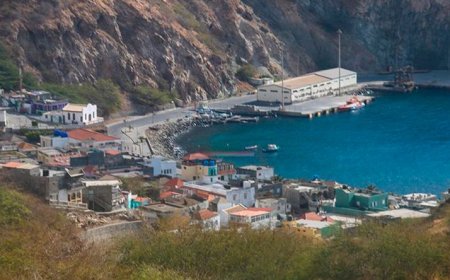
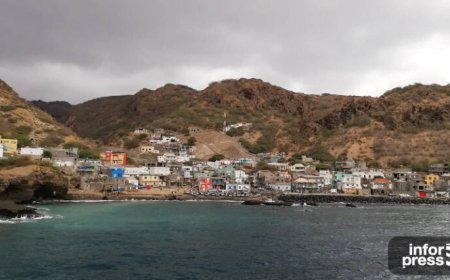
City of Nova Sintra, September 19, 2026 (Bravanews) — Fishermen from the Tantum coastal area are denouncing what they consider to be a series of stops, excessive inspections, and alleged harassment by Coast Guard and/or Maritime Police officers. According to reports gathered by Bravanews, some fishermen claim that their maritime licenses and vessel documentation are in order, but say they continue to be subjected to stops at sea that, in some cases, have reportedly ended in tense and dangerous situations.
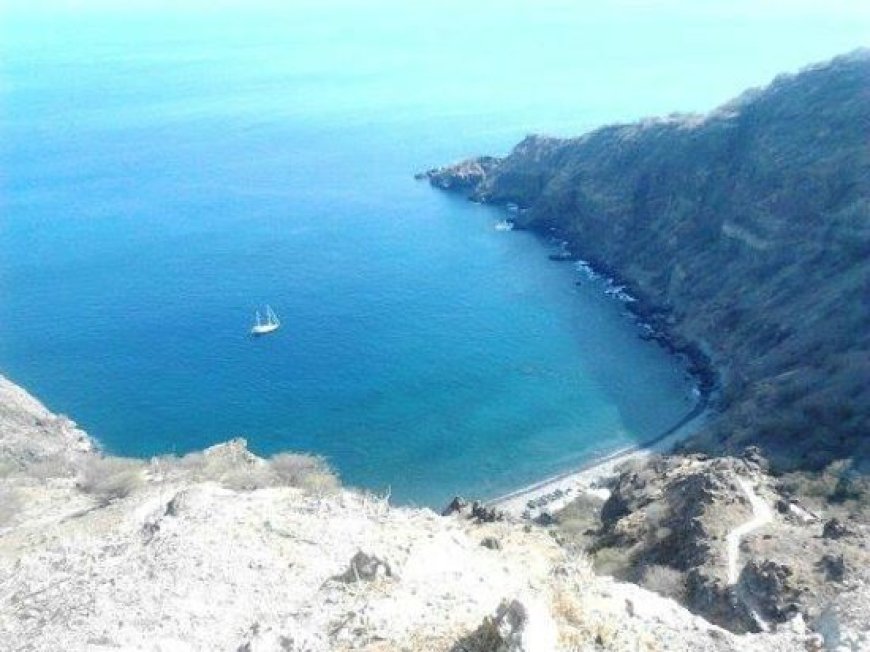
One of the cases reported to Bravanews involves a fisherman identified in this report by the fictitious name João Pires, for security reasons and due to fears of possible reprisals. The fisherman states that he was approached while out at sea, during his fishing activities, at a time when, according to his account, he was trying to provide for his family.
According to Pires, the incident occurred while he was working and trying to catch enough fish to feed his children. The fisherman asserts that he had the required documents for his work with him, including his seaman’s license and the vessel’s documentation.
However, according to his testimony, the people who boarded the boat did not identify themselves with official identification, so that he could clearly know who they were or which agency they belonged to.
Pires says that, although he stated he was properly documented, he decided not to hand over his documents at that moment because, according to him, he was unable to confirm the identity of the people who approached him.
The situation, he reports, escalated into a tense moment. The fisherman claims he was threatened and says the boat was subsequently pursued.
According to the account provided to Bravanews, these events forced him to increase the boat’s speed in an attempt to get away from the situation. The fisherman believes the chase put his life at risk, since sailing at high speed under certain conditions can significantly increase the risk of an accident.
“I was out at sea trying to earn a living for my children. My documents are in order, but I didn’t know who those people were, so I didn’t want to hand over my documents,” Pires said, according to his testimony to Bravanews.
The fisherman also states that he does not intend to come into conflict with the authorities and that he recognizes the importance of maritime enforcement. What he asks for, according to his account, is that any enforcement be carried out in accordance with the law, with clear identification of the officers and respect for the rights of fishermen.
Pires’s case is cited by fishermen as part of a broader concern among fishing professionals in the Tantum region.
Some fishermen say they feel intimidated during their activities and claim that the presence of enforcement officers at sea—when accompanied by approaches they consider unclear—creates fear and insecurity among communities that depend on fishing for their survival.
For these fishermen, enforcement is necessary to ensure compliance with maritime laws, protect fishery resources, and combat illegal practices. However, they argue that enforcement mechanisms must be applied transparently and in accordance with the procedures set forth in the law.
Fishermen are therefore calling on the relevant authorities to clarify the procedures used during boardings, investigate any allegations of abuse, and ensure that enforcement officers are properly identified.
Another issue raised by the fishermen concerns what they consider to be a difference in treatment between local fishermen and foreign vessels.
According to reports gathered by Bravanews, there is concern among coastal fishermen regarding the alleged presence of European and Asian vessels in the region’s waters, which, in the fishermen’s view, have engaged in fishing activities without facing the same level of oversight to which local fishermen say they are subject.
The allegations regarding foreign vessels, however, need to be verified by the authorities responsible for maritime enforcement and fisheries management. At the time this report was written, no documents had been presented to Bravanews proving that these vessels are fishing illegally or that they are effectively exempt from enforcement.
Even so, fishermen cite the perception of inequality as a source of frustration.
For those who make their living from artisanal fishing, the activity represents much more than just a profession. For many coastal families, it is one of the main sources of income and food. Any interruption of the activity or situation that jeopardizes the safety of fishermen can have direct consequences on families’ livelihoods.
The fishermen interviewed maintain that they do not intend to evade the authorities. On the contrary, they say they are willing to comply with the rules established for maritime activity, provided that these rules are applied clearly and uniformly.
Their main demand is that the officers responsible for boarding operations properly identify themselves, explain the reason for the inspection, and adopt procedures that do not endanger the lives of the fishermen.
In the case reported by Pires, the alleged high-speed chase is cited as the most concerning incident. If confirmed, the case could raise issues related not only to enforcement but also to the safety of operations conducted at sea.
In light of these allegations, the fishermen are calling on maritime authorities, fisheries management officials, and other relevant institutions to investigate the complaints and clarify what is happening in the waters frequented by Tantum fishermen.
Pires calls for the law to be enforced equally for all parties and for fishermen to be able to carry out their work without fear of persecution or stops that, according to him, could put their lives at risk.
The central issue, according to the fishermen, is not the existence of enforcement, but the way it is carried out.
“We have the necessary documents; we want to work and comply with the law. What we ask is that the law also be upheld by those who enforce it,” is the position conveyed by the fishermen to Bravanews.
The allegations presented in this report require clarification from the Coast Guard, the Maritime Police, and the other entities responsible for monitoring the waters and fishing activities.
To date, in this version of the report, no official response has been provided by the authorities regarding the specific case reported by Miranda, nor regarding the broader allegations made by the fishermen of Tantum.
Bravanews considers it important that the entities mentioned have the opportunity to present their version of events, including information on the legal procedures applicable to the boardings, the mechanisms for identifying officers, and the rules govespan>Bravanews considers it important that the aforementioned entities have the opportunity to present their version of events, including information on the legal procedures applicable to boardings, the mechanisms for identifying officers, and the rules governing the inspection of domestic and foreign vessels.
While awaiting responses, the fishermen say they continue to go out to sea every day, driven by the need to support their families, but carrying with them an additional concern: that of returning safely to shore.
For them, enforcement should serve to ensure order and compliance with the law at sea—and not to turn fishing into an activity marked by fear.
Bravanews will continue to follow the case and is available to publish clarifications and the official position of the relevant authorities.
MS